Source Waterproof Green Outdoor Tent for Camping, Beach, and Relief
Compare 30 waterproof green outdoor tent options featuring inflatable beams, polyester fabrics, and customizable sizes. Buyers can evaluate specs for traditional, party, and relief uses with prices ranging from 15 to 1599 USD; compare the available evidence and request quotations based on your requirements.
Key considerations
Products List




Comprehensive Sourcing Guide
Waterproof Green Outdoor Tent Sourcing Guide
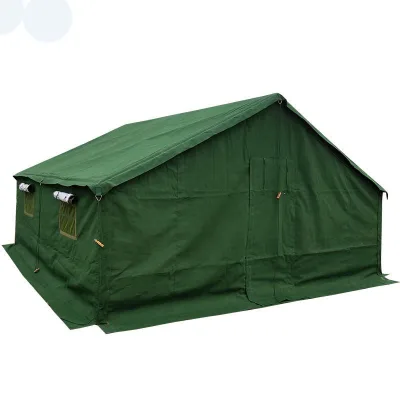
Procuring a waterproof green outdoor tent requires distinguishing between rigid frame structures and modern inflatable systems, as the supply chain for each differs significantly in manufacturing complexity and logistics. Buyers must first identify whether the project demands a traditional ridge tent with fiberglass poles or a contemporary air-beam structure, since the material composition and assembly methods dictate the required supplier expertise. The observed market offers diverse configurations ranging from compact 2-person units to large leisure areas, necessitating a clear definition of the intended use case before engaging with manufacturers.
The procurement strategy must also account for the specific fabric technologies available, such as 210d Oxford cloth or waterproof polyester-cotton blends, which directly influence durability and weather resistance. While the core keyword emphasizes a green color, the actual listings reveal a variety of color options including yellow, indicating that color customization is a standard capability rather than a fixed constraint. Sourcing teams should prioritize suppliers who can demonstrate consistent quality in seam sealing and fabric coating, as these are the primary determinants of the tent's ability to withstand prolonged exposure to rain and UV radiation.
Product Scope and Observed Listing Signals
The current market inventory for waterproof green outdoor tents spans a wide spectrum of structural designs, from single-skin ridge tents to complex inflatable models with integrated leisure areas. Buyers will encounter products with varying deployed dimensions, such as the 480x360x250 cm leisure configurations or the more compact 300x300x250 cm units, which serve different capacity needs from individual camping to group relief operations. Understanding these physical variances is critical, as the footprint and height requirements will directly impact the selection of the appropriate model for the specific event or deployment scenario.
Listing signals indicate that customization is a prevalent feature, with many suppliers offering tailored capacity options and color variations beyond the standard green. The observed product range includes specific models like the YT36 and YT22, which feature distinct internal areas and packing dimensions that affect shipping costs and storage logistics. Procurement teams should verify if the "green" aesthetic is a standard stock item or a custom order, as this distinction influences lead times and minimum order quantities, ensuring the final selection aligns with both aesthetic and operational requirements.
Technical Specifications to Verify
When evaluating technical specifications, the primary focus must be on the waterproof index and the integrity of the pole or beam structure, as these are the critical failure points in adverse weather. Buyers should verify that the bottom waterproof index meets or exceeds the observed range of 1000-1500 mm to ensure adequate protection against ground moisture and heavy rainfall. Additionally, the choice between flexible fiberglass poles and reinforced PVC air beams requires a detailed assessment of the intended deployment environment, as air beams offer rapid setup but may require specific pump maintenance compared to traditional rigid frames.
Fabric composition is another vital verification point, with listings showing materials ranging from waterproof polyester to coated polyester mesh and Oxford fabrics. The gross weight of the unit, often observed around 18kg per carton, serves as a proxy for material density and durability, but buyers must confirm that the weight correlates with the claimed fabric thickness and coating quality. It is essential to cross-reference the deployed dimensions with the packed dimensions to ensure the logistics chain can accommodate the bulk, especially for models with large leisure areas that may require specialized transport solutions.
Compliance and Safety Documentation
While specific certification documents are not explicitly detailed in the provided listings, buyers must request evidence of compliance with international safety standards for outdoor recreational equipment. The absence of listed certifications in the source data necessitates a proactive inquiry into fire retardancy ratings and material toxicity, particularly for tents intended for commercial events or relief operations where public safety is paramount. Procurement teams should ensure that the supplier can provide test reports verifying the flame resistance of the fabric and the structural stability of the frame under wind load conditions.
Documentation regarding the packing and transport safety of the units is equally important, given the varied carton sizes and weights observed in the market. Buyers should verify that the packaging standards, such as the 70x15x15 cm carton specifications, meet the requirements for stacking and handling during international shipping to prevent damage to the waterproof coatings. Ensuring that the supplier adheres to proper export packaging protocols will mitigate the risk of moisture ingress during transit, which could compromise the integrity of the tent before it even reaches the final destination.
Cost Drivers and Commercial Terms
The price range observed from 15 to 1599 USD reflects significant variations in complexity, material quality, and customization levels, requiring a clear breakdown of cost drivers before negotiation. Inflatable models with air beams and larger leisure areas naturally command higher prices due to the specialized manufacturing processes and the inclusion of pumps and repair kits in the package. Buyers should analyze whether the lower price points correspond to basic single-skin structures or if they include essential accessories, as the total cost of ownership includes the long-term maintenance of pumps and the replacement of worn fabric components.
Commercial terms regarding minimum order quantities and lead times are critical factors that can impact the overall procurement budget and project timeline. The observed MOQ range of 1 to 1000 units suggests flexibility for small buyers, but larger orders may unlock better pricing tiers and more favorable shipping terms. Procurement teams must clarify the payment structure and the specific lead times associated with customized colors or dimensions, as these variables can extend the delivery schedule and affect the readiness of the tents for scheduled events or relief efforts.
Supplier Qualification and Quality Control
Supplier qualification should prioritize manufacturers with a proven track record in producing tents with the specific structural and material attributes observed in the market, such as reinforced PVC air beams or 210d Oxford cloth. Buyers must verify the supplier's production capacity in Zhejiang, China, a known hub for tent manufacturing, to ensure they can handle volume fluctuations and maintain consistent quality control across batches. Establishing a relationship with a supplier who has robust internal quality assurance processes is essential to prevent defects in seam sealing or fabric coating that could lead to premature failure in the field.
Quality control protocols must extend beyond the factory floor to include pre-shipment inspections that verify the packed dimensions and included accessories against the purchase order. Since the product listings indicate a variety of packing items including pumps, peg packs, and carry bags, buyers should implement a checklist to ensure all components are present and functional before the goods leave the facility. Regular audits of the supplier's assembly lines and material sourcing practices will help maintain the high standards required for waterproof outdoor equipment, ensuring that every unit meets the specified performance criteria.
Long-Term Procurement Checks
Long-term procurement success depends on establishing a feedback loop with the supplier to monitor the performance of the tents in real-world conditions and address any recurring issues promptly. Buyers should track the durability of the waterproof coatings and the structural integrity of the frames over time, using this data to refine future specifications and negotiate better terms based on proven reliability. Maintaining a relationship with a supplier who is responsive to field feedback ensures that any design improvements or material upgrades can be quickly integrated into subsequent production runs.
Sustainability and supply chain resilience are also key considerations for long-term planning, as the global market for outdoor equipment is subject to fluctuating raw material costs and logistical disruptions. Procurement teams should assess the supplier's ability to source high-quality fabrics and components consistently, ensuring that the supply chain remains stable even during periods of high demand. By focusing on a partnership model that emphasizes continuous improvement and transparency, buyers can secure a reliable source of waterproof green outdoor tents that meets their evolving operational needs.
FAQs
What customization options are available for the tent?
Customization is available for this tent model to meet specific buyer needs. You can request changes to capacity, color, or dimensions depending on the supplier. The product page confirms that customized options exist alongside standard configurations for various outdoor events.
Which materials are used for the tent frame and fabric?
The frame utilizes flexible fiberglass poles or reinforced PVC air beams depending on the specific model. The fabric options include 210d Oxford cloth, waterproof polyester-cotton, or PVC coated polyester mesh. These materials ensure durability and weather resistance for camping or beach use.
How large is the deployed area for the inflatable tent models?
Deployed dimensions vary by model, with sizes ranging from 300 by 300 by 250 cm up to 480 by 360 by 250 cm. Some models feature a main body plus a leisure area, offering inner areas between 4.6 and 16.45 square meters for different group sizes.
Can the tent be used for relief operations and advertising?
Yes, the tent is designed for traditional, party, relief, camping, beach, and advertising uses. Its waterproof structure and durable fabric make it suitable for emergency relief scenarios as well as promotional events. The product usage list explicitly includes these diverse application areas.
What is the packaging and shipping weight for the tent?
The tent is packed in cartons with a gross weight of 18kg per carton. Each carton typically contains eight pieces or includes the tent, pump, peg pack, carry bag, and repair kit. The packed dimensions vary by model, generally around 90 by 55 by 45 cm.
Where are these tents manufactured and what is the origin?
The tents originate from Zhejiang, China, as indicated by the product origin details. This location is a known manufacturing hub for outdoor equipment. Buyers can expect products to be sourced directly from factories in this region for efficient supply chain management.
What is the waterproof rating of the tent fabric?
The tent features a bottom waterproof index ranging from 1000 to 1500 mm. The fabric is described as waterproof polyester or Oxford cloth, ensuring protection against rain. This rating provides reliable water resistance for outdoor camping and beach activities in wet conditions.